How Efficient Laundromats Save You Time and Money This Fall
Fall in Sacramento means swapping tank tops for hoodies, pulling comforters back out of storage, and juggling a laundry list that suddenly got a lot longer. Between school schedules, sports practices, and cooler-weather bedding, laundry piles up fast this time of year. Efficient laundromats make that seasonal shift a lot less stressful, helping you save time and money while cutting down on the hours spent doing laundry.
Why Fall Laundry Piles Up Faster
Layered clothing means more items per outfit, and heavier fabrics like sweatshirts, jackets, and flannel sheets take up more room and more time in a home washer. Add in comforters, throw blankets, and the occasional muddy cleat from fall sports, and even a well-organized laundry routine can start to feel like a second job. This is exactly where efficient laundromats earn their keep, handling bulkier loads in fewer trips.
What Makes a Laundromat Efficient
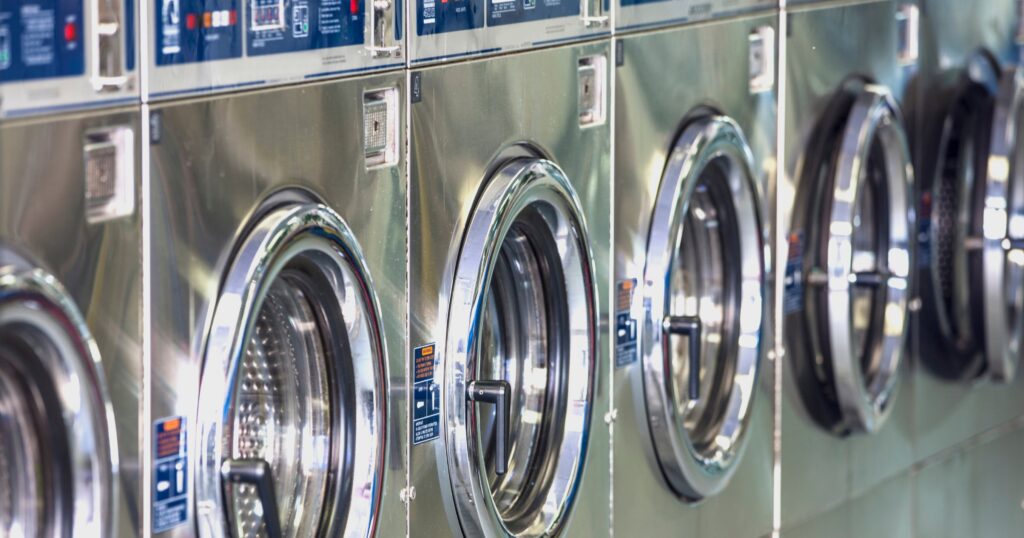
Efficient laundromats rely on commercial-grade machines built to do more with less. Energy Star-certified commercial washers use meaningfully less water than standard machines while still delivering a full clean, and pairing that with large-capacity drums means fewer cycles are needed to get through a household’s laundry. Fewer cycles add up to real savings on both time and utility costs.
How Efficient Laundromats Save You Time
The biggest time-saver is capacity. Anthony’s large-capacity washers handle up to 8 loads at once, which means a family’s entire fall laundry backlog, comforters included, can go through in a single run instead of five or six separate loads at home. That’s the difference between spending an entire Saturday babysitting the washer and dryer, or dropping everything off and picking it up done.
For households that would rather skip laundry day altogether, Wash & Fold drop-off takes the task off the calendar completely. At $1.70/lb, it’s a straightforward way to reclaim a weekend during one of the busiest stretches of the school year.
How Efficient Laundromats Save You Money
Water and energy use is where the savings really show up. Water-conscious commercial machines use significantly less water and electricity per load than older or residential-grade washers, which keeps operating costs down, savings that get passed along through lower per-load pricing compared to running an aging machine at home. Larger loads also mean less detergent and fewer dryer cycles overall, since bulky items like comforters dry faster in a commercial dryer than they would tumbling around a home unit.
| Fall Laundry Task | Why It’s Faster and Cheaper at an Efficient Laundromat |
| Washing comforters and bedding | Large-capacity washers fit bulky items in one load instead of several |
| Cleaning muddy sports uniforms | Commercial machines handle heavy soil without extra pretreat cycles |
| Doing a full household laundry backlog | Up to 8 loads at once means fewer trips and less time spent waiting |
| Skipping laundry day entirely | Wash & Fold at $1.70/lb frees up the whole day for something else |
| Cutting utility costs | Efficient machines use less water and energy per load than older home washers |
Fall Laundry, Handled
Fall doesn’t have to mean falling behind on laundry. With the right machines and a little planning, it’s easy to save time and money on the season’s heavier loads without losing a weekend or running up the water bill. If energy-smart laundry habits are your thing, our earlier post on energy-saving laundry routines has more tips worth carrying into fall.
Anthony’s Laundromat is ready for the season with large-capacity machines and a Wash & Fold service built for busy Sacramento households.
FAQs
Q: Why is a laundromat more efficient than washing at home in the fall?
A: Large-capacity machines handle bulky items like comforters and multiple loads at once, cutting down on the number of cycles needed to get through fall’s heavier laundry.
Q: How much water and energy do efficient laundromats actually save?
A: Energy Star-certified commercial washers use notably less water and electricity per load than standard residential machines, which helps keep both operating costs and utility bills lower.
Q: Is Wash & Fold worth it during a busy fall schedule?
A: Yes. At $1.70/lb, Wash & Fold drop-off is an easy way to keep up with laundry during a season packed with school and sports schedules.
Q: Can I wash a comforter at a laundromat instead of at home?
A: Definitely. Large-capacity washers are built to handle comforters and bedding in a single load, something most home washers can’t manage well.
How Efficient Laundromats Save You Time and Money This Fall Read More »