laundromat Sacramento

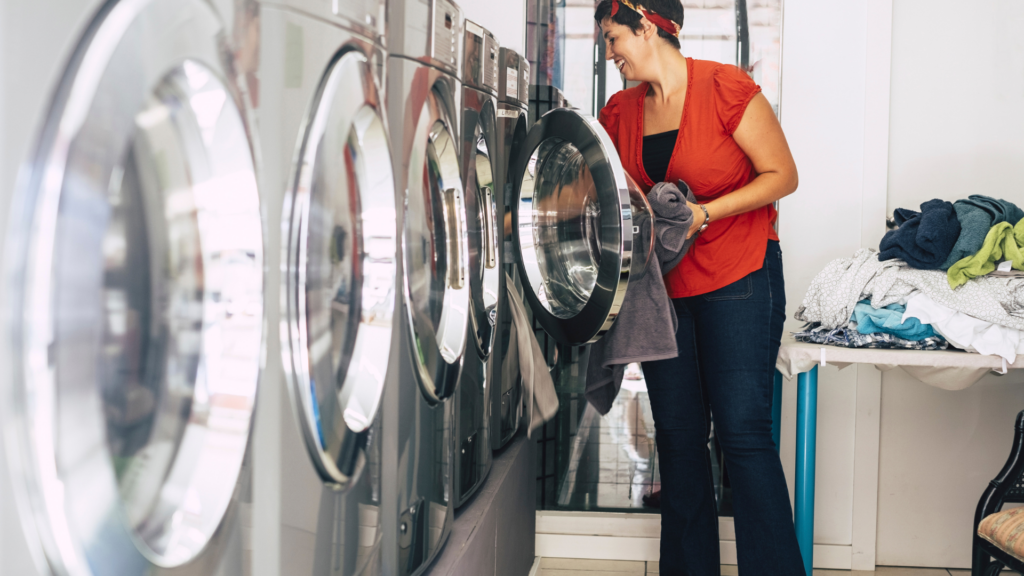
Pet owner using pet owner laundry tips to remove fur and odor from clothes at a laundromat.

Pet Owner Laundry Tips: Dealing with Fur, Odor & Stains

If you have a pet, you already know laundry hits different. Fur on your favorite hoodie, that stubborn smell that survives a full wash cycle, muddy paw prints on the bedding you just cleaned. It never really ends. The good news is that a few simple pet owner laundry tips can make a real difference keeping your clothes, linens, and towels fresh without turning laundry day into a whole ordeal.

Why Pet Laundry Is a Different Challenge

Standard laundry routines are built for everyday dirt and sweat. Pet laundry is a different story. The dander and natural oils from your pet’s coat cling deep into fabric fibers, and regular detergent often isn’t strong enough to fully break them down. Add fur that weaves itself into every thread and moisture that traps odor, and you’ve got a laundry challenge that needs a smarter approach.

Pet Owner Laundry Tips That Actually Work

1. Pre-Treat With a Lint Roller Before Washing

Tossing furry items straight into the washer can spread hair around the drum and onto other clothes. Before any pet-related load, take a minute to lint roll blankets, bedding, and clothing. A rubber glove works great too, just dampen it and run it over the fabric to pull fur off quickly.

2. Use an Enzyme-Based Detergent

Enzyme-based detergents break down the proteins found in pet dander, urine, and body oils at the source, not just masking the smell. Look for formulas specifically designed for pet odors, or for odor-eliminating detergents, for best results.

3. Wash Pet Bedding Separately

Pet bedding carries a heavy concentration of fur, dander, and odor. Washing it with your regular laundry just spreads that around. Always wash it on its own using a hot water cycle, which helps kill bacteria and break down odors more effectively. Experts recommend washing pet bedding at least once a week, more often if your pet spends a lot of time outdoors or sheds heavily.

4. Add Baking Soda or White Vinegar

Both are simple, affordable odor neutralizers that work alongside your detergent. Add half a cup of baking soda at the start of the wash cycle, or white vinegar during the rinse cycle, just don’t add them together or they’ll cancel each other out. Neither will leave a smell behind once dry.

5. Clean Your Washer After Heavy Pet Loads

After washing pet items, fur and dander can linger in the drum and seal of your machine. If you skip this step, that buildup can transfer odors to your next load. Wipe down the drum with a damp cloth, run a quick cleaning cycle, and leave the door open between uses to air it out.

Quick-Fix Guide for Common Pet Laundry Problems

ProblemCauseQuick Fix
Fur clinging to clothesStatic and pet contactLint roll before washing, add dryer sheet
Pet smell after washingDander and oils in fabricRewash with enzyme detergent or add vinegar
Muddy paw printsOutdoor pet activityLet dry, brush off, then pre-treat before washing
Fur stuck in washer drumWashing pet items without pre-removalWipe drum between loads
Odor on pet beddingBacteria and dander buildupHot wash separately, add baking soda

When to Use a Laundromat for Pet Laundry

Some loads are just too big for a standard home washer. Large dog beds, heavy comforters, and oversized blankets need room to move and rinse properly; cramming them into a small machine usually means they don’t get fully clean and can come out still smelling like your pet.

This is where Anthony’s Laundromat comes in. Our large-capacity washers handle bulky pet items easily, giving everything the room it needs to actually get clean. Strong dryers finish the job fast, so nothing sits damp long enough to develop that musty smell. And if you’d rather drop it off and come back later, our wash and fold service is just $1.70/lb; we handle the whole load for you.

Using a laundromat for your biggest pet laundry jobs also means less wear and tear on your home machine, which is a bonus during heavy shedding seasons.

FAQs

Q: How do I remove pet hair from laundry?

A: Use a lint roller before washing, toss a dryer sheet in the dryer, and consider running items through a quick 10-minute dryer cycle before washing to loosen embedded fur.

Q: What detergent is best for pet odors?

A: Enzyme-based detergents work best. They break down the proteins in pet dander and odors rather than just covering them up. Look for formulas labeled for pets or odor elimination.

Q: How often should I wash pet bedding?

A: Once a week is a solid rule of thumb, or more often if your pet spends a lot of time outside or has skin conditions.

Q: Can a laundromat handle large pet beds and blankets?

A: Absolutely. Large-capacity machines at a laundromat are ideal for oversized items that don’t fit well in a standard home washer. Anthony’s Laundromat in Sacramento has machines that can handle up to 8 loads at once.

Q: How do I get rid of pet smell on clothes after washing?

A: Try rewashing with an enzyme detergent, add baking soda or white vinegar to the cycle, and make sure everything is fully dry before folding or storing. Damp clothes held in a closed space will hold onto odor fast.

Fresher Laundry Starts with the Right Approach

Pet owner laundry tips don’t have to be complicated. A little prep before each wash, the right detergent, and knowing when to use bigger machines can completely change how your laundry looks, smells, and feels. And when the load is too big to tackle at home, Anthony’s Laundromat in Sacramento is ready to help. Clean machines, large capacity, and a wash and fold service that does the work for you.

Pet Owner Laundry Tips: Dealing with Fur, Odor & Stains Read More »
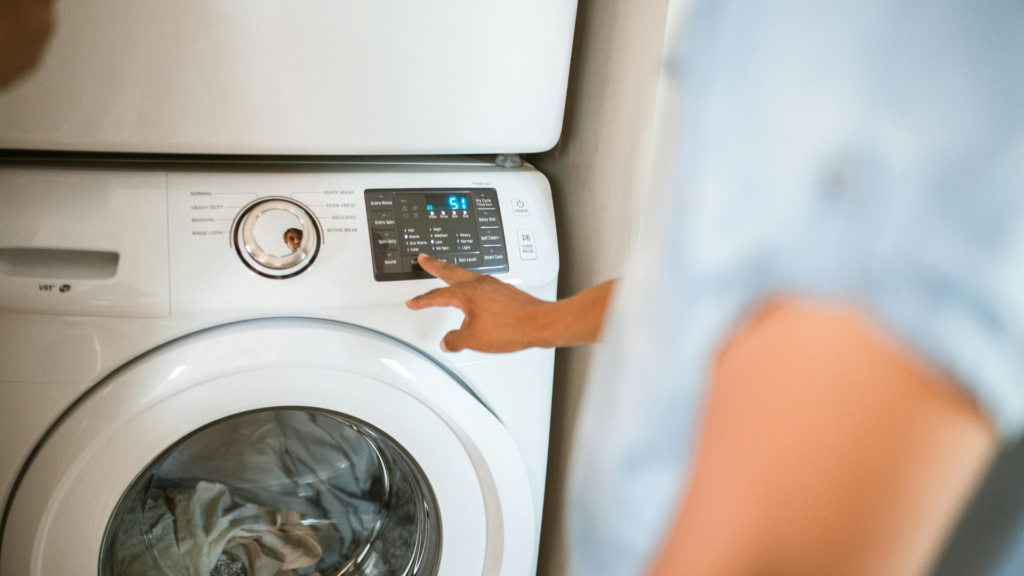
Doing laundry at home and how to better save energy while doing laundry during the summer.

Energy-Saving Laundry Routines for Summer 2026

Summer in Sacramento usually means two things: hotter days and higher energy bills. Air conditioners run longer, appliances work harder, and monthly utility costs can rise fast. The good news is that a few simple laundry habits can help lower energy use without making your routine more complicated.

Small changes like washing with cold water, running fuller loads, and drying at the right times can make a noticeable difference throughout the summer. Even better, many of these habits also help your clothes last longer.

Why Energy-Saving Laundry Routines Matter in Summer

During the summer, most households already use more electricity because of air conditioning. Adding frequent laundry cycles on top of that can further increase costs, especially when dryers run during the hottest parts of the day. Dryers also have to work harder at higher temperatures, which means higher energy use and longer drying times.

Making a few adjustments to your laundry routine can help reduce unnecessary energy use while still keeping clothes, towels, and bedding clean and fresh. Energy-saving habits can also be easier on fabrics. Using cooler water and avoiding excessive heat helps reduce fading, shrinking, and wear over time.

6 Energy-Saving Laundry Routines for Summer 2026

1. Wash with Cold Water

One of the easiest ways to save energy is to switch to cold-water washes. Heating water consumes a lot of electricity, and most modern detergents work perfectly well at cold temperatures. Cold water also helps protect fabrics and keeps colors from fading as quickly during summer washes. 

2. Run Full Loads (But Don’t Overload)

Running half-full loads wastes both water and electricity. Waiting until you have a full load helps maximize efficiency and reduces the number of wash cycles you run each week.

At the same time, avoid overloading machines. Clothes still need enough room to move around properly for an effective wash.

3. Use High-Spin Cycles

High-spin settings remove more water before clothes ever reach the dryer. That means shorter drying times and less overall energy use.

This simple adjustment is especially helpful during summer when towels, swimsuits, and lightweight clothing pile up quickly.

4. Dry During Off-Peak Hours

Drying clothes during the hottest part of the afternoon can increase energy costs, especially during peak utility hours.

Early mornings or later evenings are usually the best times to run dryers. You avoid peak rates while also reducing the extra heat added inside your home.

5. Clean Your Lint Trap Every Time

A clogged lint trap slows airflow, forcing dryers to work harder than necessary. Cleaning it after every load improves efficiency, speeds up drying, and reduces fire risk.

It only takes a few seconds, but it can make a noticeable difference over time.

6. Use Large-Capacity Machines

Larger machines allow you to wash more laundry at once, which means fewer total cycles throughout the week. This is especially useful during summer when bulky items like beach towels, bedding, and extra laundry from vacations or outdoor activities start piling up.

A woman utilizing the strong machines at Anthony’s Laundromat in Sacramento to save energy when doing laundry.

Why a Laundromat Can Help You Save Energy

Sometimes the most efficient option is to use commercial laundry equipment rather than smaller home machines. Large-capacity washers and dryers can handle more laundry in fewer cycles, helping reduce total energy use. Commercial dryers also tend to dry clothes faster, which saves both time and electricity.

Using a laundromat can also help prevent wear and tear on home appliances during the hottest months of the year. At Anthony’s Laundromat in Sacramento, our large-capacity machines help customers wash more laundry at once, making energy-saving laundry routines even easier and more convenient.

Quick Energy-Saving Laundry Checklist

TipWhy It Helps
Wash in cold waterReduce energy use
Run full loadsFewer cycles needed
Use high spinLess drying time
Clean lint trapBetter airflow
Use large machinesMore done at once

Common Summer Laundry Mistakes to Avoid

A few common habits can quietly increase energy costs during summer. Overloading machines can reduce cleaning performance and force you to rewash clothes. Using too much detergent can leave buildup on fabrics and inside machines. Running multiple small loads throughout the week also wastes water and electricity compared to fewer larger loads.

Failing to maintain the dryer is another common issue. Dirty lint traps and clogged vents reduce efficiency and increase drying times. It is also smart to avoid running dryers during peak afternoon heat whenever possible.

FAQs

Q: How can I save energy doing laundry in summer?

A: Use cold water, run full loads, and reduce drying time with high-spin cycles before drying.

Q: Is it cheaper to do laundry at night?

A: Yes. Running laundry during off-peak hours can help lower energy costs, depending on your utility rates.

Q: Do laundromats use less energy than home machines?

A: Commercial machines are typically more efficient and can handle larger loads, helping reduce total energy use.

Q: What is the most energy-efficient way to dry clothes?

A: Using high-spin wash cycles first and avoiding overloaded dryers helps reduce drying time and energy use.

Saving Energy Starts with Smarter Laundry Habits

Saving energy during the summer does not have to be difficult. A few simple laundry changes can help reduce costs while keeping your routine quick and manageable. Looking to make laundry even easier? Visit Anthony’s Laundromat and use our large-capacity machines to get more done in less time.

Energy-Saving Laundry Routines for Summer 2026 Read More »

Scroll to Top