Winter Bedding Laundry: What You Need to Know for the Cold Months Ahead
When the temperature drops, the bedding gets heavier. Flannel sheets, thick comforters, quilts, and cozy throw blankets come out of the closet, and suddenly winter bedding laundry becomes one of the biggest jobs on your list. These bulky items hold onto dust, body oils, and allergens all season long, and most of them are too big for a standard home washer. A little know-how goes a long way toward keeping everything fresh, fluffy, and ready for cold nights.
Why Winter Bedding Laundry Needs Extra Attention
Heavier bedding traps more than warmth. Comforters and blankets sit against your skin for hours every night, which means sweat, oils, and dust build up faster than you might think. Add pets curled up on the couch throw or kids sneaking snacks under the covers, and winter bedding laundry quickly becomes more than a once-a-season chore.
Washing these items regularly keeps them hygienic and helps the filling stay lofty instead of flat and clumpy. It also helps to wash a comforter before packing it away for the year, so nothing gets stored with oils and dirt that could cause discoloration later.
How to Wash a Comforter Without Ruining It
Start with the care label, because it tells you the safest water temperature, detergent, and drying method for that specific item. Most comforters do best on a gentle cycle with mild detergent, and the key is giving them plenty of room to move. Overstuffing a small drum leads to soap residue, uneven cleaning, and a comforter that comes out damp in the middle. Cleaning guides from home-goods brands even suggest that a large, heavy comforter often does better in an industrial-size machine at the laundromat.
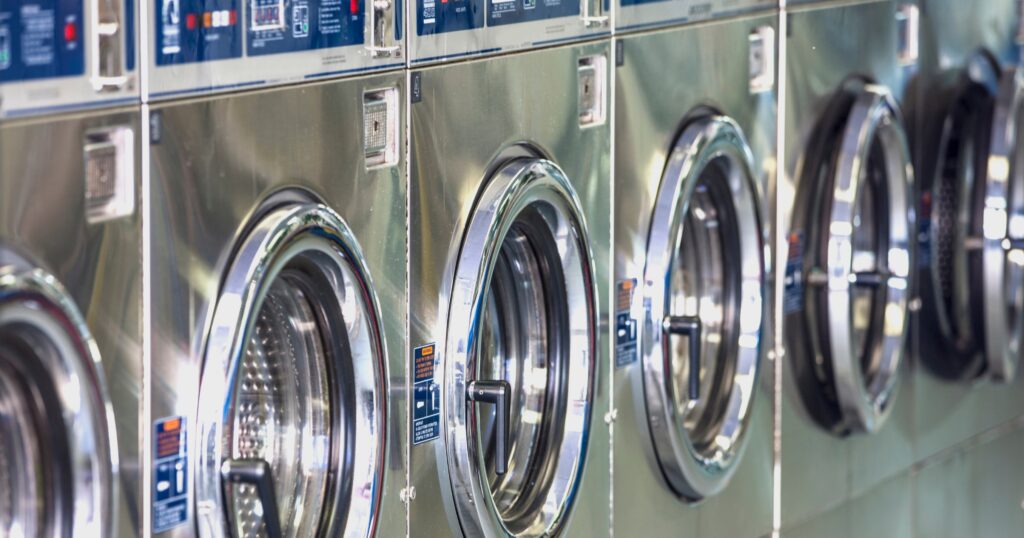
That is where large-capacity washers make the difference. Anthony’s machines can handle up to 8 loads at once, so a king-size comforter gets the space it needs to circulate water and detergent evenly. It is the easiest way to avoid the clumping and lopsided spinning that happen in smaller home machines.
Heavy Blankets and Throws: Care by Fabric
Not every blanket should be treated the same. Cotton and polyester blankets are usually machine washable, while wool or delicate knits may call for gentler handling, and some weighted blanket makers recommend checking the label before washing heavy blankets in any machine. When in doubt, a quick look at the tag saves a lot of heartache.
Use this quick guide for the most common winter bedding.
| Bedding Type | How to Wash It | Drying Tips |
| Comforters and Duvets | Gentle cycle, mild detergent, large-capacity washer | Low heat with a few dryer balls, check for damp spots |
| Flannel Sheets | Warm or cool water, wash separately from towels | Low to medium heat to reduce pilling |
| Fleece Throws | Cool water, no fabric softener | Low heat or air dry |
| Wool Blankets | Cool water, gentle cycle, only if the label allows | Lay flat or low heat only |
| Weighted Blankets | Follow the care label closely, spot clean when possible | Air dry or low heat if permitted |
| Pet-Hair Throws | Shake out first, then wash on its own | Clean the lint trap between loads |
If you share your couch with a furry friend, our pet owner laundry tips cover how to get hair off blankets before they hit the wash.
Drying Heavy Blankets Without the Hassle
Drying is where most winter bedding laundry goes wrong. A wet comforter is heavy and slow to dry, and any leftover dampness can lead to musty smells. Use low heat, pull the item out every so often to fluff it, and toss in a few dryer balls to keep the filling from bunching up. Commercial dryers dry bulky items faster and more evenly than most home units, which saves you time and keeps the fabric from being baked on high heat.
Let Anthony’s Handle the Big Stuff
You do not have to wrestle a wet comforter into a washer that was never built for it. Anthony’s Laundromat has the space and the machines to make heavy blankets and bedding feel easy, and our friendly team is here for Sacramento families all season long. Prefer to skip the work altogether? Our Wash & Fold service is just $1.70/lb, so you can drop off a bag of bedding and pick it up clean, dry, and folded.
FAQ Section
Q: How often should I wash my comforter in the winter?
A: Most comforters do well with a wash every two to three months, while sheets and duvet covers should be washed more often.
Q: Can I wash a comforter at a laundromat?
A: Yes! Large-capacity washers give bulky comforters the room they need to get fully clean, which is hard to match in a standard home machine.
Q: Are heavy blankets machine washable?
A: Many cotton and polyester blankets are, but wool and weighted blankets often need special care, so always check the label first.
Q: Is Wash & Fold a good option for winter bedding?
A: Absolutely. At $1.70/lb, it is a simple way to get bulky bedding cleaned and folded without tying up your weekend.
Winter Bedding Laundry: What You Need to Know for the Cold Months Ahead Read More »